News And Event

Lemtek UI as a Scientific Vanguard in the Infrastructure and Redevelopment of Jakarta’s Vital Urban Areas
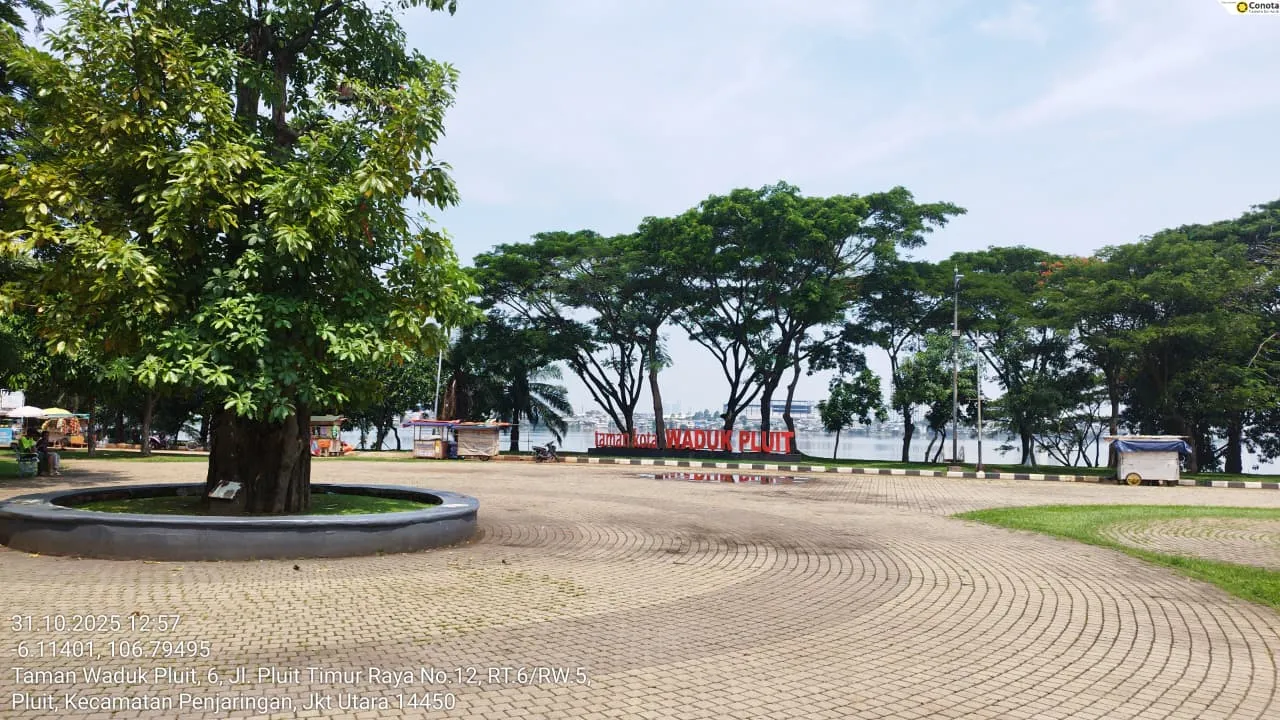
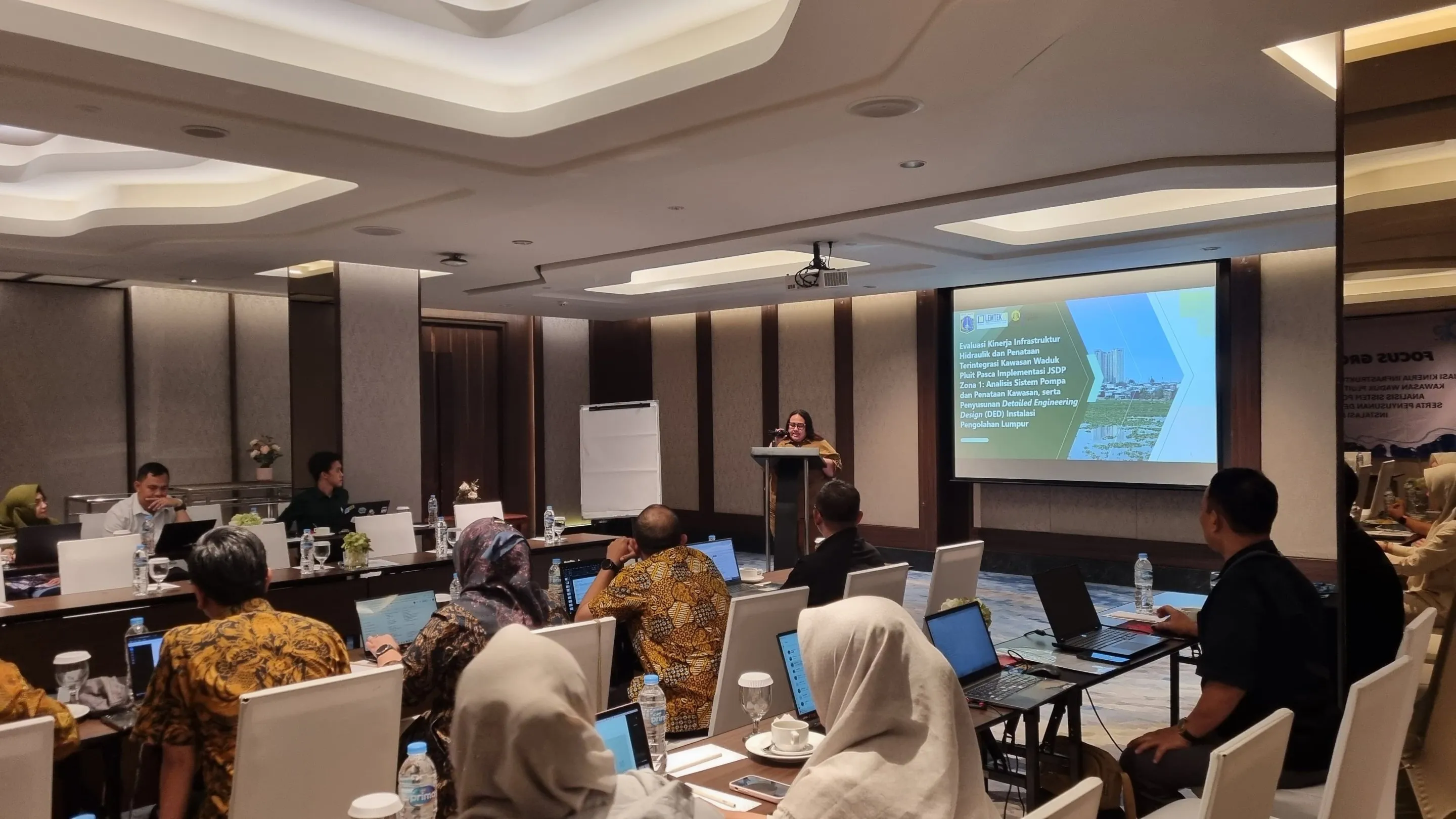
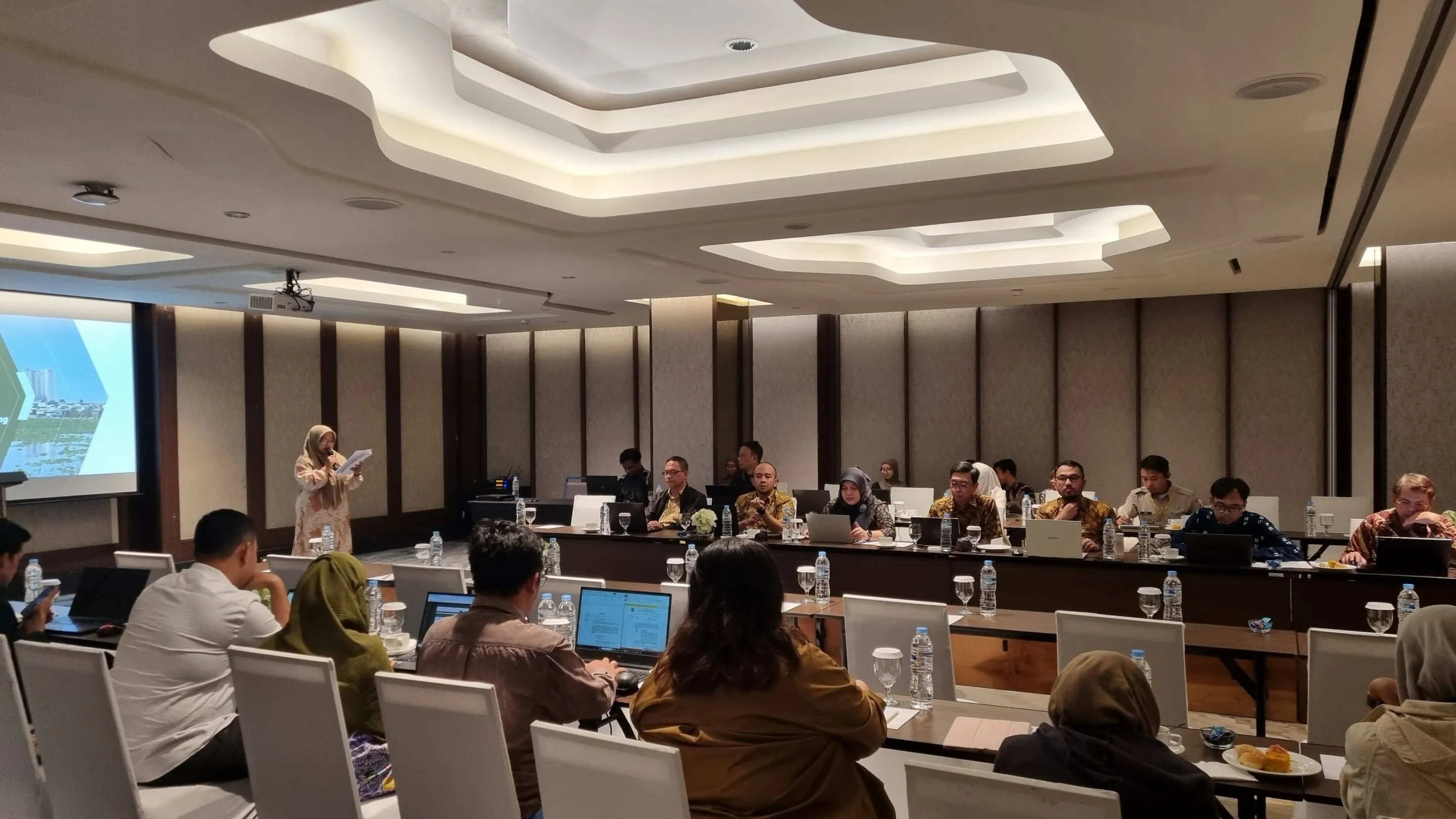
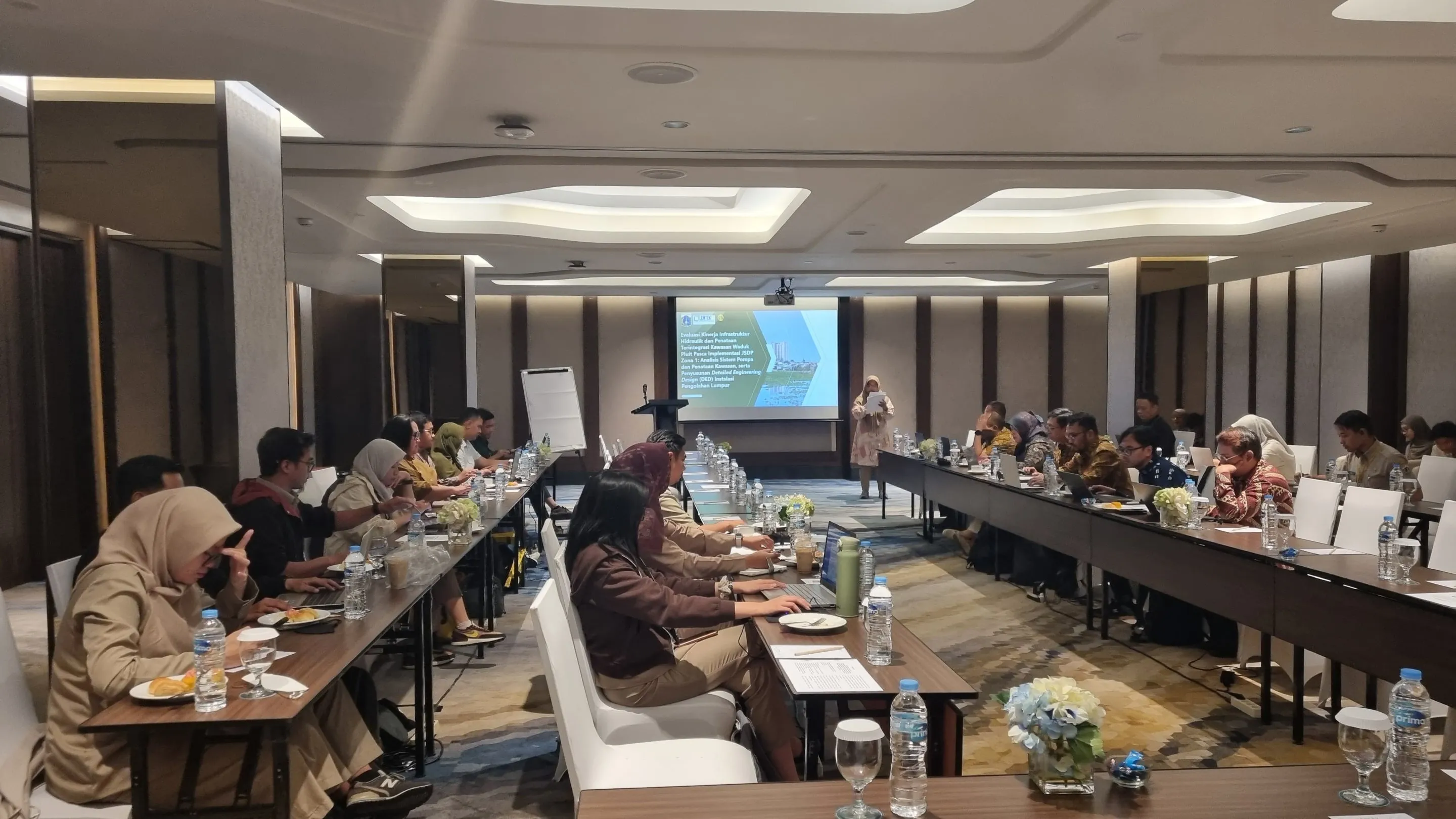
Pluit Reservoir, with an existing surface area of approximately 800,000 m² and a total pumping capacity of 49 m³/s, serves as a major component in Jakarta’s flood control and coastal drainage system. In line with the Jakarta Sewerage Development Project (JSDP) Zone 1—designed to serve up to 989,389 residents with an average wastewater treatment flow of 200,000 m³ per day—the changing hydrological pattern and increased hydraulic load have become critical factors requiring quantitative assessment. Within this context, the Institute for Technology at the University of Indonesia (Lemtek UI) was entrusted by the Jakarta Provincial Water Resources Agency (Dinas Sumber Daya Air Provinsi DKI Jakarta) to conduct a comprehensive study on hydraulic performance, pump station reliability, and the interconnection effects between the domestic wastewater management system and the regional flood control network within the Pluit Reservoir catchment.
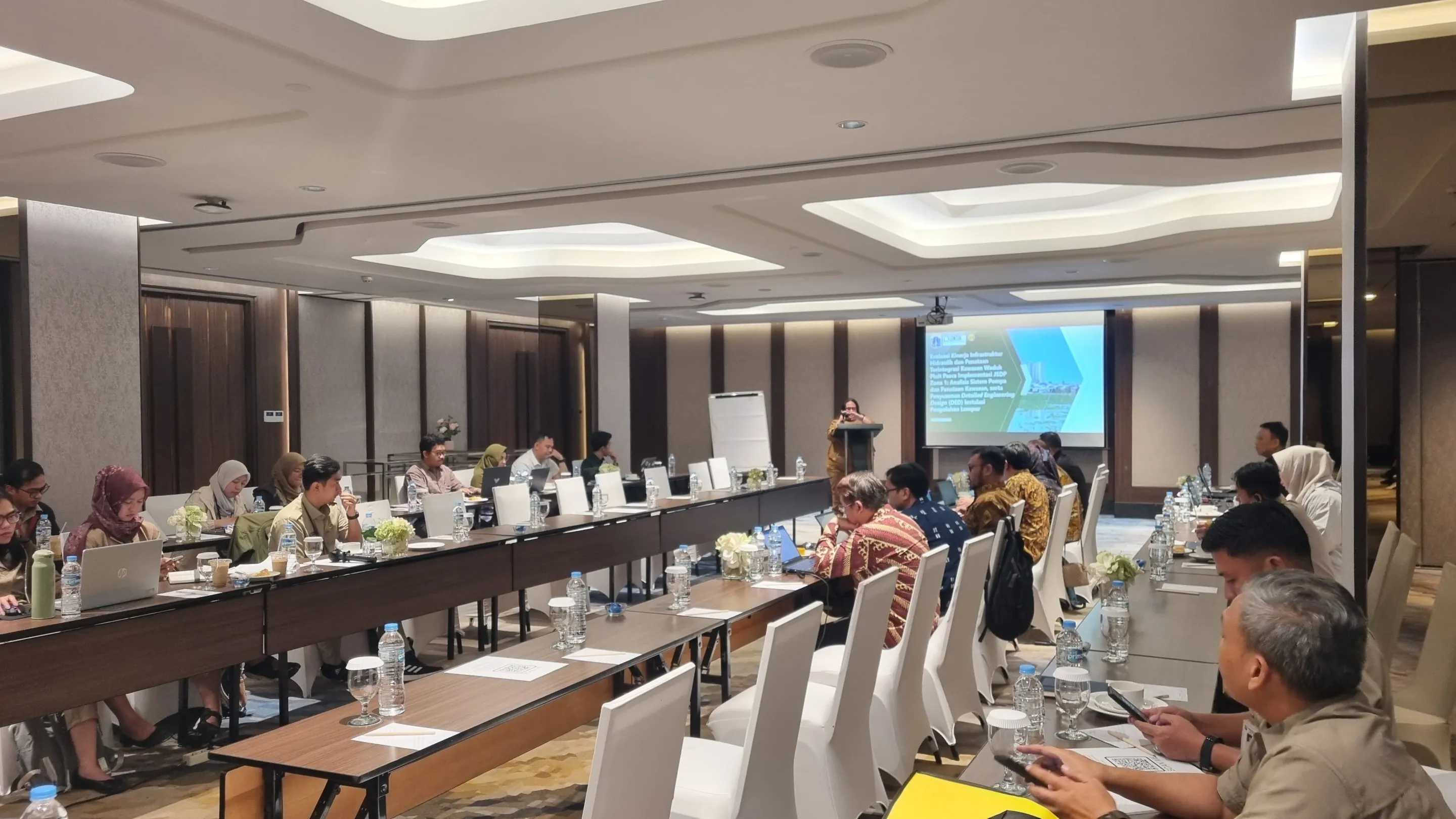
The study was developed through interdisciplinary coordination involving Hydraulic and Environmental Engineering, Architecture, and Civil and Structural Design. The scope of work includes hydrodynamic simulation, catchment modeling, bathymetric and topographic surveying, as well as analysis of energy efficiency and operational demand of the existing pumping system. At the regional scale, Lemtek UI formulated an Integrated Spatial and Environmental Scheme for the Pluit Reservoir area, establishing spatial relations among hydrological functions, green open spaces, and urban utility systems. Additionally, a Detailed Engineering Design (DED) was prepared for the Advanced Sludge Treatment Facility (IPLL)—a downstream processing unit for sludge generated by the Wastewater Treatment Plant (WWTP) of JSDP Zone 1—considering spatial efficiency, material characteristics, and prevailing environmental standards.
The study results include empirical analysis of the hydraulic load on Pluit Reservoir, covering variations in flow patterns, wastewater inflow volumes, and potential increases in pump operating frequency, along with engineering-based spatial design proposals grounded in quantitative evidence and high-resolution mapping. All stages were carried out using computational modeling and precise field measurements to ensure that the engineering design accurately reflects existing site conditions. Through this initiative, Lemtek UI reinforces its academic and technological role in supporting the Jakarta Provincial Government in maintaining an efficient, resilient, and adaptive urban water management system responsive to hydrological dynamics and the evolving spatial demands of a modern city.
The study was developed through interdisciplinary coordination involving Hydraulic and Environmental Engineering, Architecture, and Civil and Structural Design. The scope of work includes hydrodynamic simulation, catchment modeling, bathymetric and topographic surveying, as well as analysis of energy efficiency and operational demand of the existing pumping system. At the regional scale, Lemtek UI formulated an Integrated Spatial and Environmental Scheme for the Pluit Reservoir area, establishing spatial relations among hydrological functions, green open spaces, and urban utility systems. Additionally, a Detailed Engineering Design (DED) was prepared for the Advanced Sludge Treatment Facility (IPLL)—a downstream processing unit for sludge generated by the Wastewater Treatment Plant (WWTP) of JSDP Zone 1—considering spatial efficiency, material characteristics, and prevailing environmental standards.
The study results include empirical analysis of the hydraulic load on Pluit Reservoir, covering variations in flow patterns, wastewater inflow volumes, and potential increases in pump operating frequency, along with engineering-based spatial design proposals grounded in quantitative evidence and high-resolution mapping. All stages were carried out using computational modeling and precise field measurements to ensure that the engineering design accurately reflects existing site conditions. Through this initiative, Lemtek UI reinforces its academic and technological role in supporting the Jakarta Provincial Government in maintaining an efficient, resilient, and adaptive urban water management system responsive to hydrological dynamics and the evolving spatial demands of a modern city.